

Short summary
Hay fever, or seasonal allergies, affects more than 400 million people worldwide. During pollen season, sufferers face sneezing, itchy eyes, and daytime sleepiness. Most consider it a minor nuisance. Could these effects be causing real accidents—and serious economic losses?
Using 12 years of ambulance records covering nearly 15 million accidents across Japan, in our recent study (Akesaka and Shigeoka, 2025) we find that high-pollen days lead to significantly more accidents of all types: traffic crashes, workplace injuries, and other accidents, including fatal ones.
People do try to protect themselves: retail scanner data and cell-phone data show that people buy masks and allergy medication and stay home on weekends. However, these efforts are clearly not enough: pollen’s effect on accidents persists despite them.[
These results suggest that pollen exposure has a broad impact beyond health itself. The accidents documented here likely represent only the tip of the iceberg: to the extent that pollen impairs cognitive function, any daily activity requiring alertness and sound judgment may be affected.
Key Findings
- Doubling daily pollen counts increases accidents by 0.7% (daily baseline: 33 per million people).
- Pollen raises accidents across every major category: traffic, workplace, and other incidents.
- The effect holds at every level of severity, including fatal accidents.
- People try to protect themselves by buying masks and allergy medication and staying indoors on weekends, yet pollen’s effect on accidents persists despite these efforts.
- Under the Intergovernmental Panel on Climate Change’s (IPCC) business-as-usual scenario, warmer temperatures would extend pollen seasons and raise pollen concentrations, causing an additional 1,823 accidents per year in Japan—at an estimated annual social cost of $236 million.
Relevance Today
Global warming is raising pollen concentrations and prolonging pollen seasons worldwide. US pollen levels, for example, rose 21% between 1990 and 2018, and the trend is set to continue. Japan has already raised its pollen countermeasure budget from $1.1 million to $61 million, but in Europe and North America, the costs of seasonal allergies are not yet factored into policy calculations. As more people come to suffer from seasonal allergies, more accidents are likely to follow—unless governments take serious action, such as issuing pollen alerts, permitting sick leave or remote work for severe sufferers, and cutting pollen-emitting trees.
Author Quote
“Most people think of hay fever as a minor inconvenience. But our findings suggest otherwise: if pollen impairs cognition enough to cause car crashes and workplace injuries, the true social costs extend into every daily activity requiring focus and judgment—far beyond current estimates.”
Reference: Based on RFBerlin Discussion Paper No. 07/26, Akesaka, M. and H. Shigeoka. “Seasonal Allergies and Accidents
Research summary
Hay fever, or seasonal allergies, is among the most common chronic conditions in the developed world. Up to 30% of people in developed countries suffer from it, amounting to roughly 400 million sufferers worldwide (Greiner et al. 2011). In the United States alone, 1 in 4 adults and 1 in 5 children reported seasonal allergies in 2021 (CDC 2023). The symptoms, such as sneezing, runny nose, nasal congestion, and itchy eyes, are often dismissed as a mild seasonal inconvenience.
However, clinical research has long documented that allergic reactions impair cognitive performance, slowing reaction times, reducing working memory, and disrupting sleep (Wilken et al. 2002). These effects resemble those associated with a blood alcohol content of 0.05%, which is the legal driving limit in many countries (Vuurman et al., 2014) Yet until now, no study had examined whether this cognitive impairment translates into negative economic consequences in real-world settings on a national scale.
Our recent study (Akesaka and Shigeoka 2025) uses a comprehensive administrative dataset: all ambulance calls for accidents across Japan from 2008 to 2019, nearly 15 million incidents. Because ambulance service is free in Japan, the data are not skewed by income or insurance status, a common concern in US-based studies. These data are paired with daily pollen measurements from one of the densest observation networks in the world: roughly 120 stations nationwide. Pollen concentrations vary substantially across regions and days, providing the variation needed to isolate pollen’s effect from other weather conditions.
More Pollen, More Accidents
Pollen cause more accidents. A 100% increase in the daily pollen count raises the number of ambulance-transported accidents by 0.231 per million people, a 0.7% increase from a daily baseline of 33 accidents per million people. This effect holds across all accident types: traffic crashes, workplace injuries, and other accidents (Figure 1).
Who is affected? Nearly everyone. Pollen’s detrimental effect on accidents is observed across all age groups and both sexes. Older adults face somewhat larger effects, likely because they are more sensitive to environmental stressors. The effect extends not only to minor accidents but also to severe and fatal ones. In fact, doubling pollen raises fatal accidents by 1.3%, roughly twice the 0.6% rise for minor accidents.
Figure 1 (A) All Accidents (B) Traffic Accidents
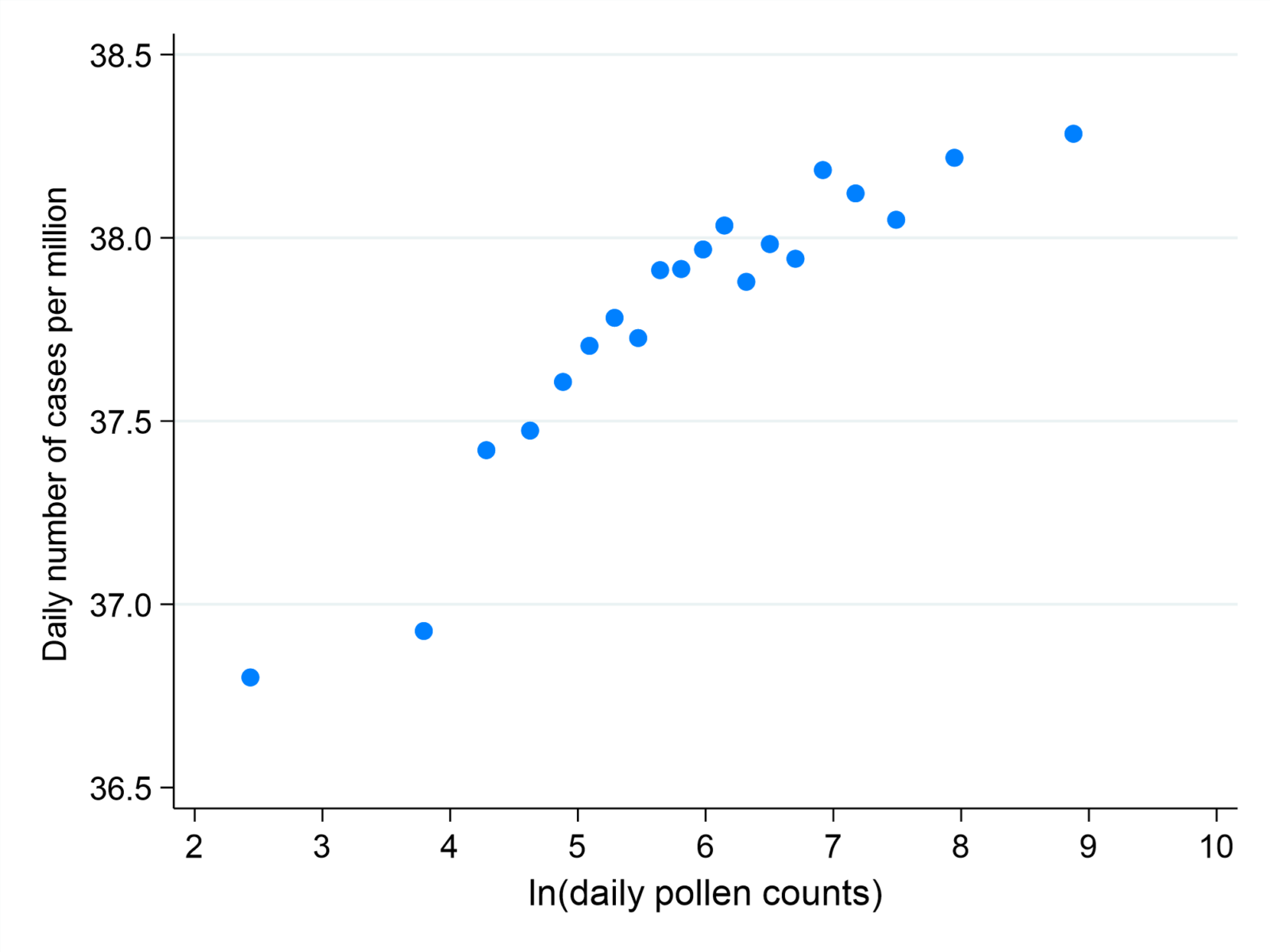
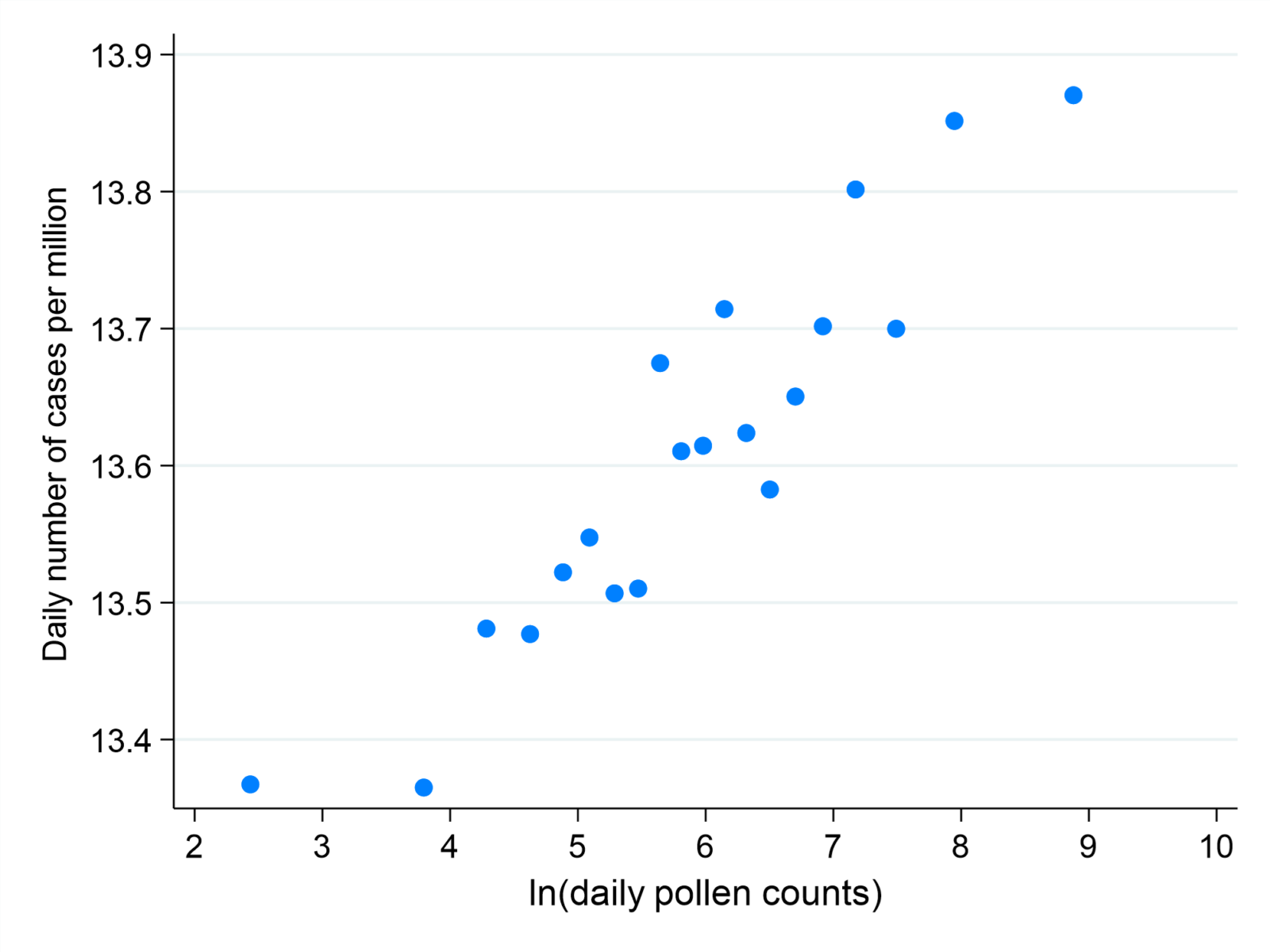
Figure 1 (C) Work Related Injuries (D) Other Accidents
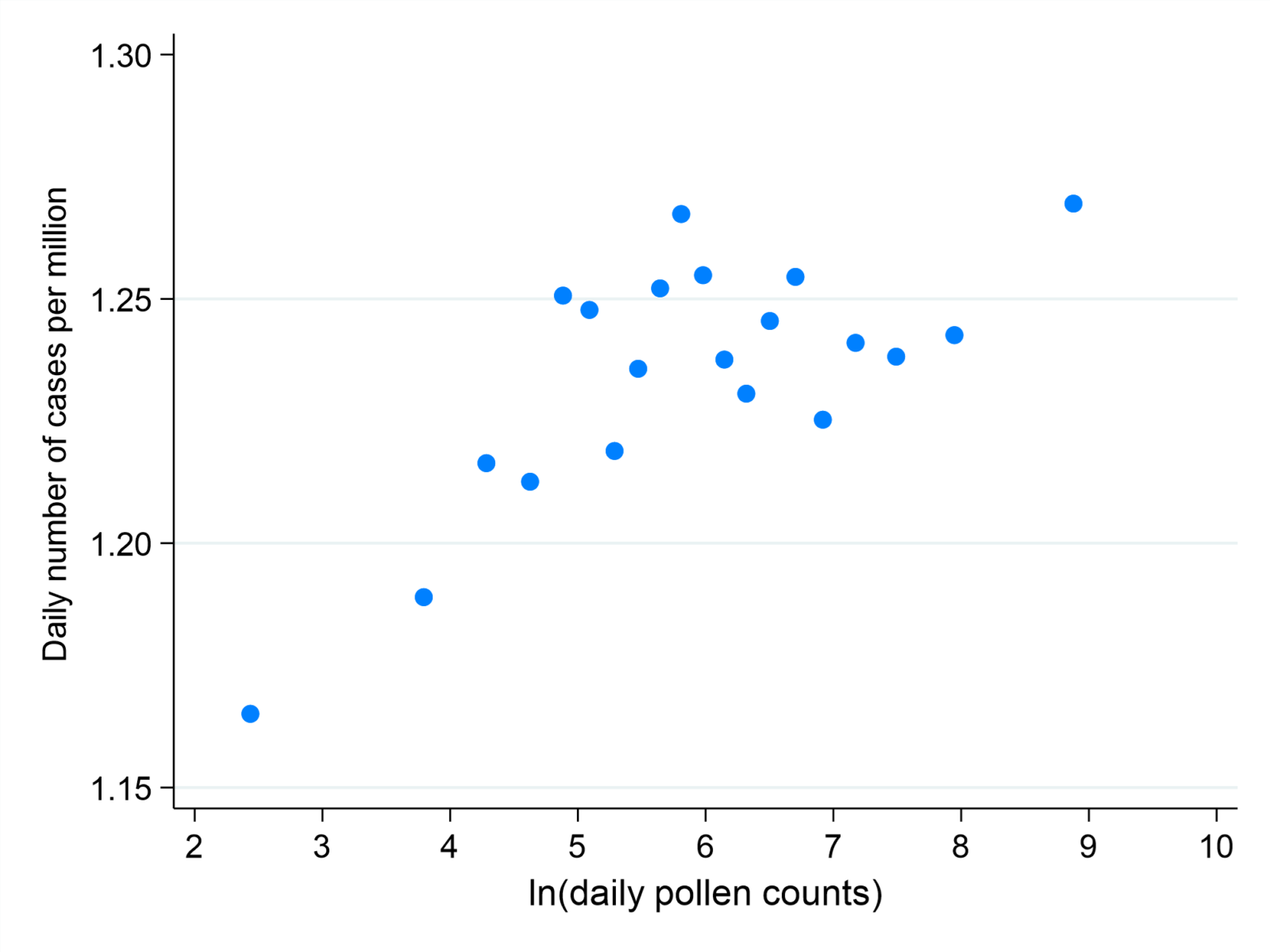
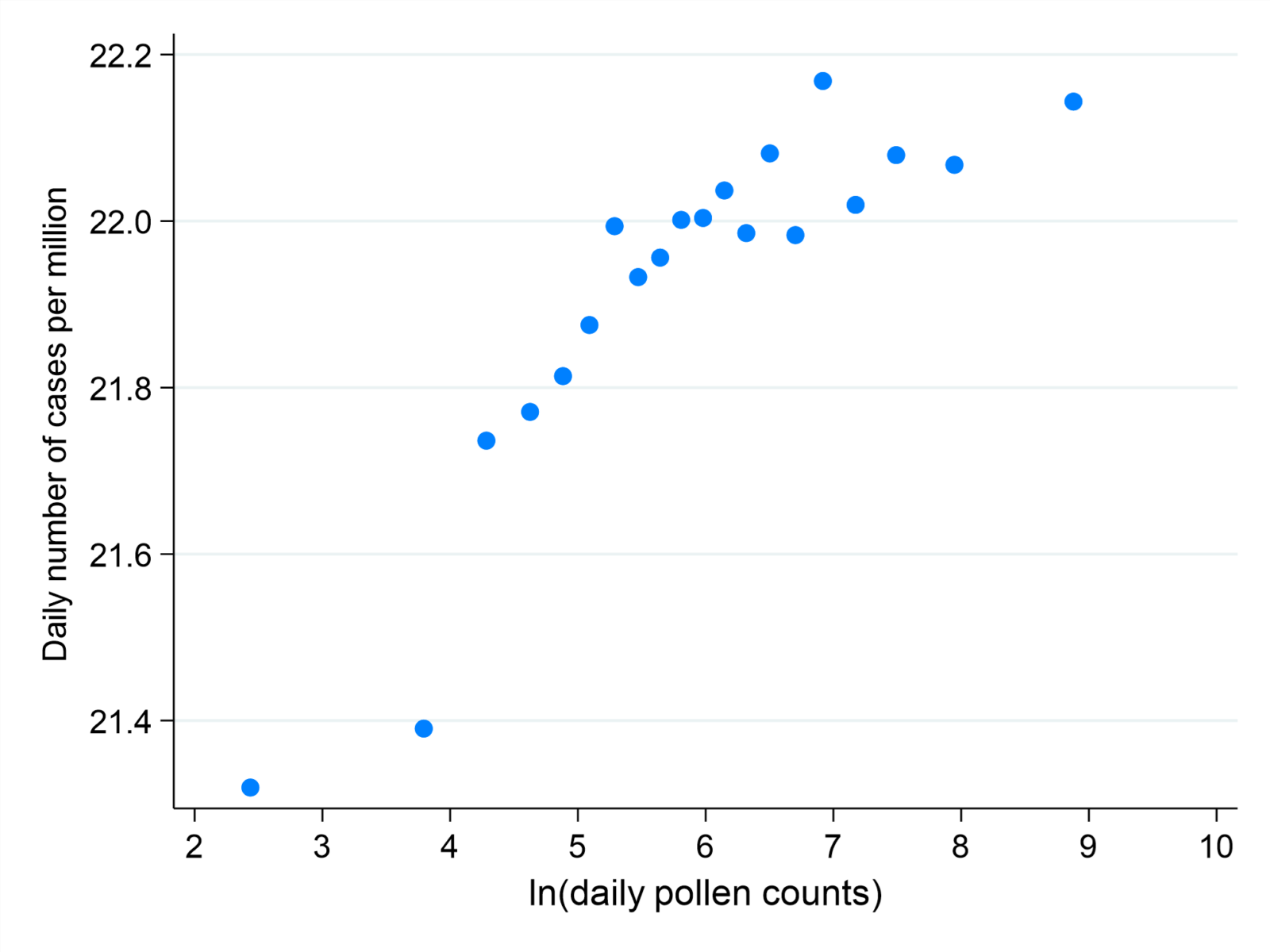
Notes: Figure 1—Pollen and the number of accidents: The figure shows the relationship between logged daily pollen counts and the number of accidents per million people, broken down by category.
People Try to Protect Themselves—But It Is Not Enough
Using retail scanner data covering 30,000 households and cellphone mobility records from 85 million users, our study shows that people do respond to high pollen levels. A 100% increase in pollen counts raises weekly spending on allergy medications, eye drops, and masks by $44.0 per person. Scaled nationally, this translates to $96 million per pollen season. People also reduce outdoor activity on weekends, when they have more flexibility to cancel or reschedule non-urgent trips. A 100% increase in pollen concentration results in a 0.21% decrease in outdoor movement (Figure 2). On weekdays, however, there is no measurable reduction in outdoor movement.
These avoidance behaviors imply that the estimated accident effects are conservative, reflecting what happens despite people’s protective efforts; absent any self-protection, the true impact of pollen would be larger. Notably, older adults, who face the highest accident risk from pollen, are the least likely to reduce outdoor activity on weekends, pointing to a clear target for intervention.
Figure 2 (A) Weekdays (B) Weekends
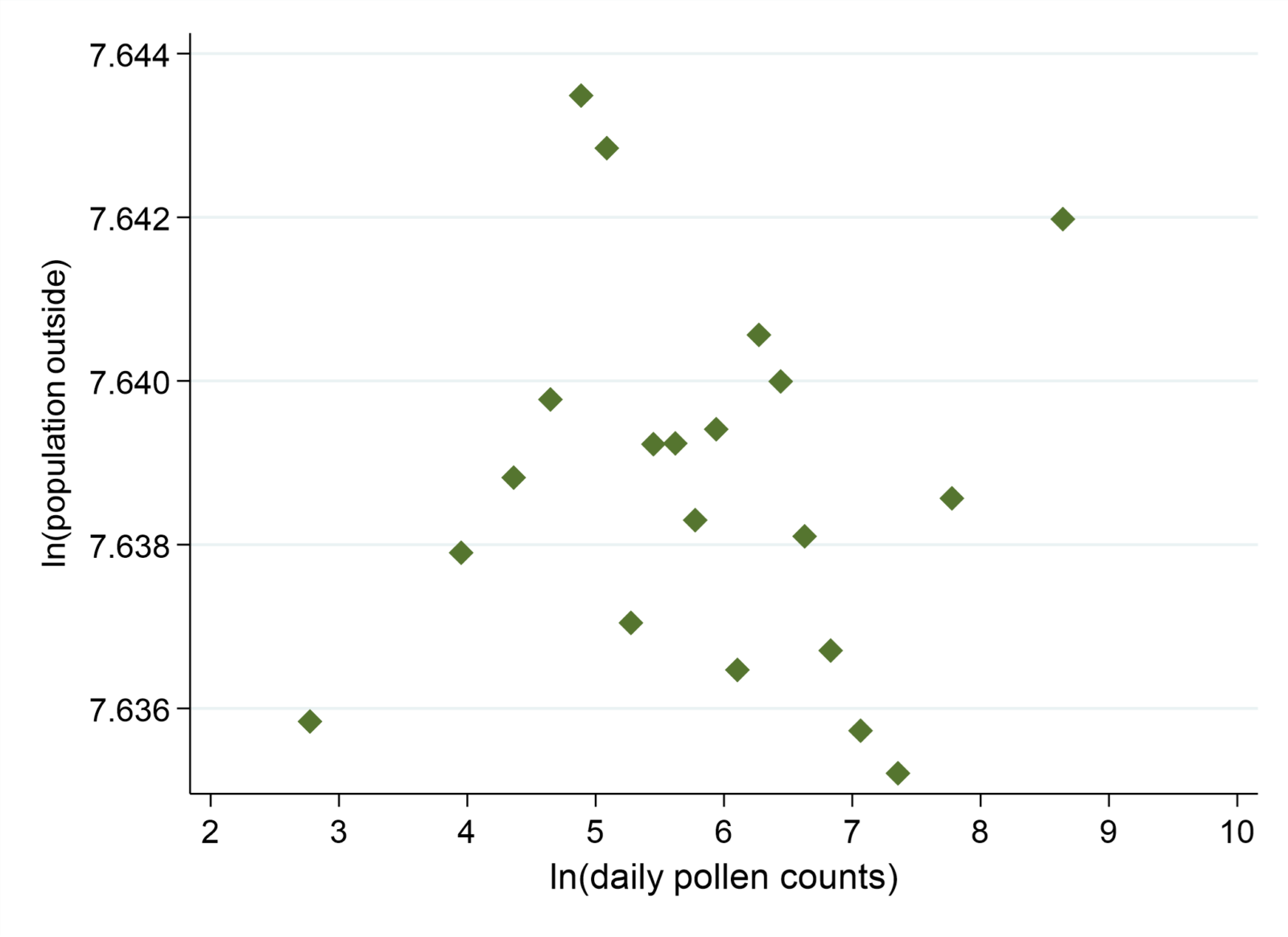
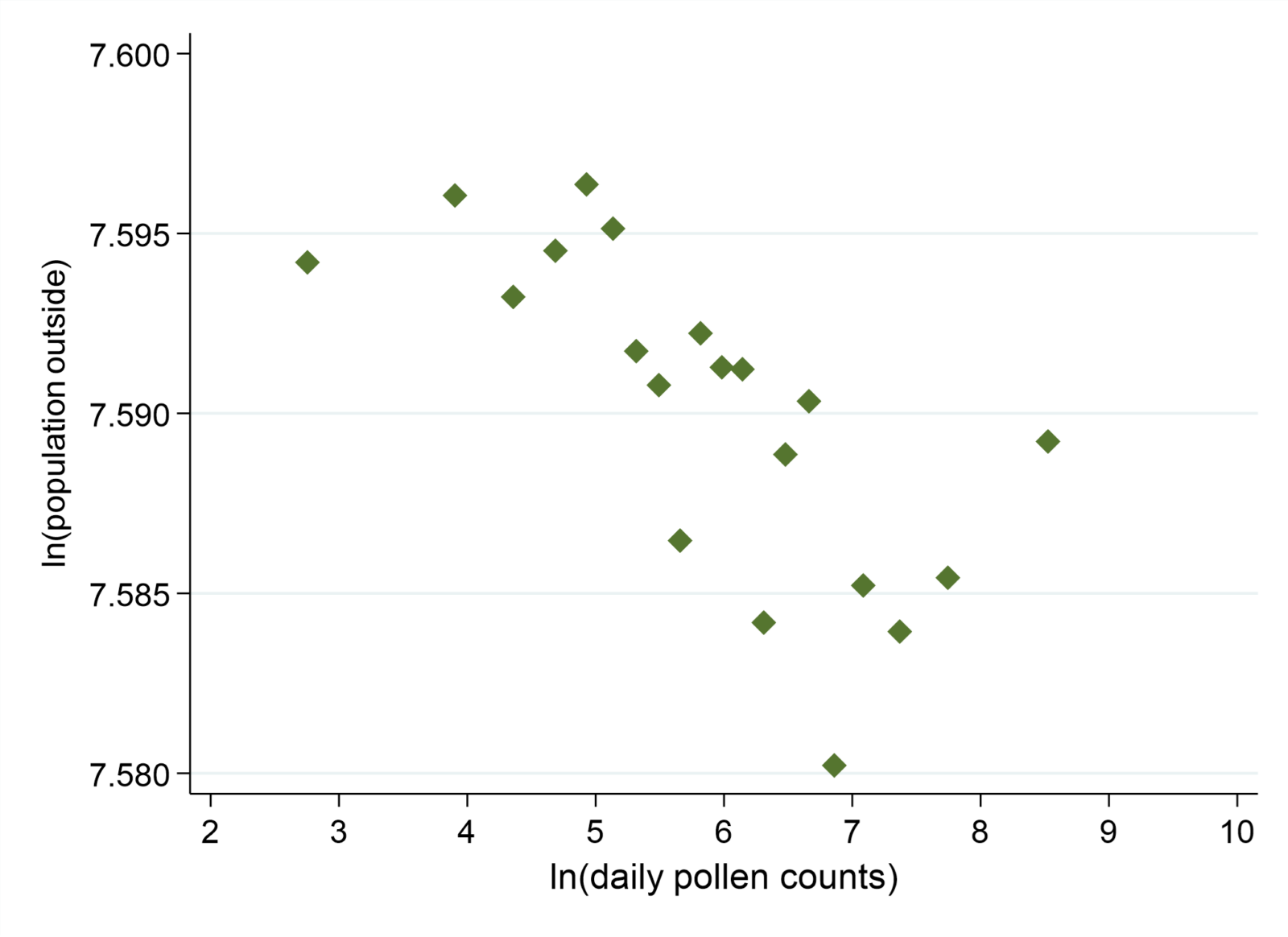
Notes: Figure 2—Pollen and avoiding going out: The figure shows the relationship between logged daily pollen counts and the logged daily number of people outdoors, broken down by weekdays and weekends.
Global Warming Will Make Things Worse
Pollen seasons are getting longer and more intense. In the United States, pollen concentrations increased 21% between 1990 and 2018, with the season starting 20 days earlier (Anderegg et al. 2021). Our data from Japan show that hotter summers strongly predict higher pollen counts the following spring: each 1°C increase in summer temperature corresponds to 167 more pollen grains per cubic meter per day.
Under the IPCC’s business-as-usual climate scenario (RCP 8.5), which predicts a 4.1°C increase in summer temperatures in Japan by the end of the century (2076–2095), this temperature-pollen relationship would generate 1,823 additional pollen-related accidents per year. The resulting annual social cost of $236 million far exceeds Japan’s pollen countermeasure budget—even after its recent increase from $1.1 million to $61 million. And it is likely a lower bound: it excludes minor accidents not requiring ambulance transport, deaths occurring before ambulance arrival, and any extension of the pollen season itself.
Policy Implications
The findings point to two categories of intervention: ex-post and ex-ante measures. Ex-post measures reduce individuals’ pollen exposure or lessen its harm. A pollen alert system, similar to existing smog alerts, could provide clear behavioral recommendations on high-pollen days: wear masks, use public transport, avoid nonessential outdoor activities. For firms, guidelines could encourage temporary remote work or short-term sick leave for employees with severe allergies. Since workers already reduce outdoor activity on weekends when they can, the primary barrier on weekdays appears to be the opportunity cost of missing work, suggesting that employer-supported flexibility could meaningfully reduce accidents. Subsidizing newer allergy medications, which cause less drowsiness than older formulations, is another option: in 2019, less-drowsy medications still accounted for under half of allergy-related expenditures in Japan.
Ex-ante measures target pollen production at the source. Governments could mandate the use of low-pollen tree species in new plantings or levy charges on landowners who plant high-pollen varieties, inducing them to internalize the social costs of pollen emissions.
Conclusion
Our study reveals that hay fever, which affects over 400 million people globally, increases the risk of accidents across virtually all types and severity levels, and across demographic groups. Current estimates of the costs of seasonal allergies, narrowly focused on medical expenses and missed workdays, significantly understate the true cost. The accidents documented here likely capture only part of a much broader burden: whenever pollen impairs cognitive function, any daily activity requiring sustained attention and decision-making may be affected. As global warming intensifies pollen seasons worldwide, the full social costs of rising pollen are likely to grow—and to remain undercounted.
References
Akesaka, M. and H. Shigeoka (2025). “Seasonal Allergies and Accidents.” [RFBerlin Discussion Paper No. 145/25].
Anderegg, W.R.L., J.T. Abatzoglou, L.D.L. Anderegg, L. Bielory, P.L. Kinney, and L. Ziska (2021). “Anthropogenic Climate Change is Worsening North American Pollen Seasons.” PNAS, 118(7): e2013284118.
CDC (2023). “FastStats: Allergies and Hay Fever.” https://www.cdc.gov/nchs/fastats/allergies.htm (accessed April 23, 2026).
Greiner, A.N., P.W. Hellings, G. Rotiroti, and G.K. Scadding (2011). “Allergic Rhinitis.” Lancet, 378: 2112–2122.
Vuurman, E.F., L. Theunissen, F. van den Heuvel, A. Vermeeren, and J.G. Ramaekers (2014). “Allergic Rhinitis is a Risk Factor for Traffic Safety.” Allergy, 69: 906–912.
Wilken, J.A., R. Berkowitz, R. Kane, A.S. Gagliardo, L.D. Riker, and M.A. Goldstein (2002). “Decrements in Vigilance and Cognitive Functioning Associated with Ragweed-Induced Allergic Rhinitis.” Annals of Allergy, Asthma & Immunology, 89: 372–380.
Disclaimer
The opinions and views expressed in this publication are those of the author(s) and do not necessarily reflect those of the ROCKWOOL Foundation Berlin (RFBerlin). While research disseminated through this series may address policy-relevant topics, RFBerlin, as an independent research institute, does not take institutional policy positions.
Publications in the RFBerlin Research Insights series may represent preliminary or ongoing work that has not been peer-reviewed. Readers are advised to consider the provisional nature of such research when citing or applying its findings.
These publications aim to make scientific work accessible to a broader audience and to encourage informed, research-based discussion. All materials are provided by the respective authors, who bear responsibility for appropriate attribution and rights clearance. While every effort has been made to ensure accuracy and proper acknowledgment, RFBerlin welcomes notifications of any concerns regarding authorship, citation, or intellectual property rights. Please contact RFBerlin to request corrections if needed.
Use of these materials for the development or training of artificial intelligence systems is strictly prohibited.
