
Die Reihe RFBerlin Applied Economics Seminar bringt führende Forschende nach Berlin, die ihre aktuellen Arbeiten vorstellen und ins Gespräch kommen. Diesmal ist Professor Christopher Stanton zu Gast.
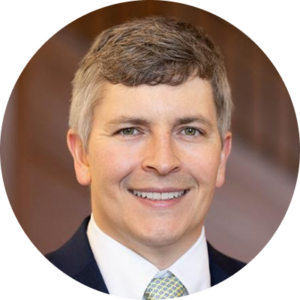
Christopher Stanton ist Marvin Bower Associate Professor of Business Administration in der Entrepreneurial Management Unit an der Harvard Business School. Seine Forschung befasst sich damit, wie Technologie die Organisation von Arbeit und deren Management verändert, mit Schwerpunkt auf digitalen Plattformen, Remote Work und der Dynamik von Arbeitsmärkten. Er publiziert in wissenschaftlichen Fachzeitschriften und äussert sich regelmässig öffentlich zur Zukunft der Arbeit. In Harvard unterrichtet er den MBA-Wahlkurs „Managing the Future of Work“. Christopher Stanton ist ausserdem Academic Affiliate von Cornerstone Research und Faculty Research Fellow am National Bureau of Economic Research.
Thema:
Remote Work Makes Organizations Top-Heavy
Remote work evaluations typically compare the output of workers in the office with those working from home. This comparison holds fixed organizational structures and management overhead. In Occupational Employment and Wage Statistics data from the Bureau of Labor Statistics and job ads data from Lightcast, we show that industries and firms with greater exposure to remote work became more management intensive after the onset of COVID-19 in 2020. Managers‘ relative earnings also rose, while the advertised skill mix of managers changed little. Our estimates suggest that remote work raised annual management costs per non-managerial worker by $820 in the average firm and by $2,160 in fully remote firms. We rationalize these findings in a model where coordination costs vary with remote work and show that the model can fit changes in managers‘ span of control and relative wages.
Details zur Veranstaltung:
Datum: 25. September 2026
Zeit: 14:00–15:15 Uhr
Teilnahme: Das Seminar ist öffentlich und richtet sich an ein wissenschaftliches Publikum.
Bei Fragen oder wenn ihr weitere Informationen braucht, meldet euch gerne über das Formular oder per Mail an [email protected].
