CReAM Reports

No. 6/26 - July 2026
Employment of Immigrants in the European Union: Progress, Persistent Gaps, and Untapped Potential
Employment among immigrants in the European Union has reached its highest level since 2017, yet important differences remain across origin groups, countries and demographic characteristics. While EU immigrants frequently match or exceed native employment rates across Member States, substantial employment disadvantages remain concentrated among non-EU immigrant women and highly educated non-EU immigrants, pointing to significant untapped labour market potential.
Read report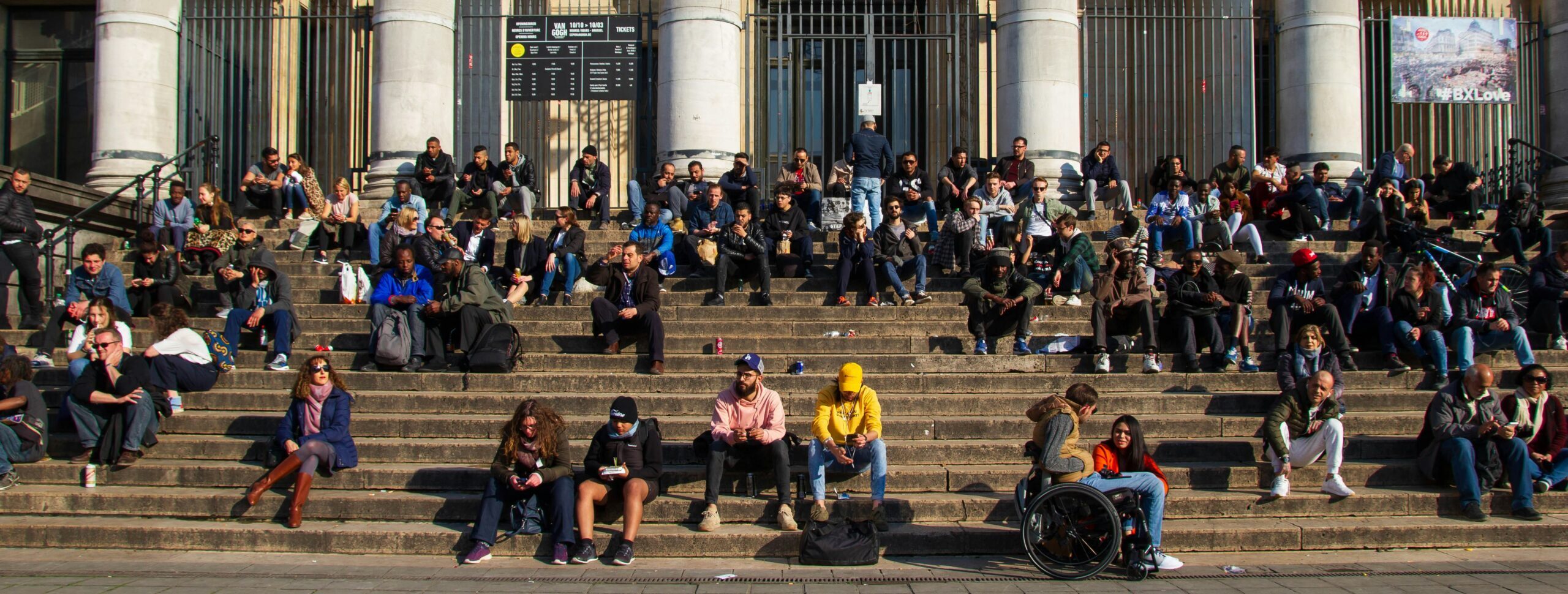
No. 5/26 - June 2026
The Refugee Population in Europe in 2025: A Decade of Growth Comes to a Halt
The rapid growth of Europe's refugee population has come to an end. Drawing on new UNHCR data, this report shows how falling asylum inflows, the naturalisation of earlier refugee cohorts in Germany, and a reform of temporary protection in Italy are reshaping refugee numbers.
Read report
No. 4/26 - May 2026
Immigrant Educational Attainment in the European Union: Origin, Gender and Cross-Country Differences
This report examines educational attainment among natives, EU-born immigrants, and non-EU-born immigrants across the European Union, highlighting how differences by origin, gender, and country continue to shape educational outcomes despite a general rise in tertiary attainment since 2017.
Read report
No. 3/26 - April 2026
The Immigrant Population in the European Union: Growth, Concentration and Dispersion
The EU hosts a record 64 million foreign-born residents, with migration continuing to grow strongly, though unevenly across countries. While Germany and Spain dominate in absolute numbers, smaller Member States often face greater relative pressure.
Read report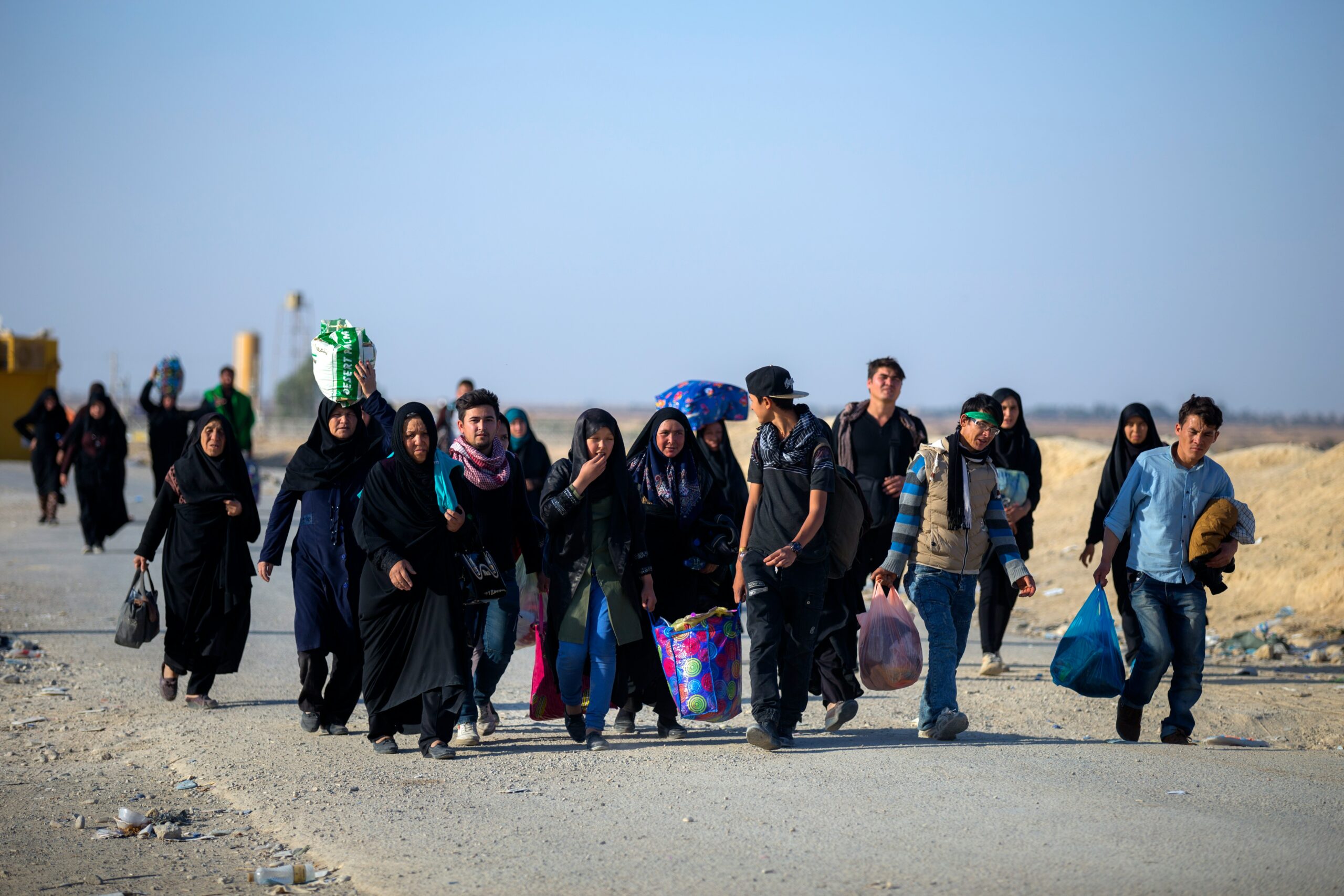
No. 2/26 - March 2026
Migration Aspirations, Diaspora Networks and Refugee Destinations from Iran and Lebanon
Migration from Iran and Lebanon largely follows existing diaspora routes, especially to Germany and Canada. If displacement rises, flows will likely concentrate in a few high-income countries, with education shaping how widely destinations are considered.
Read report