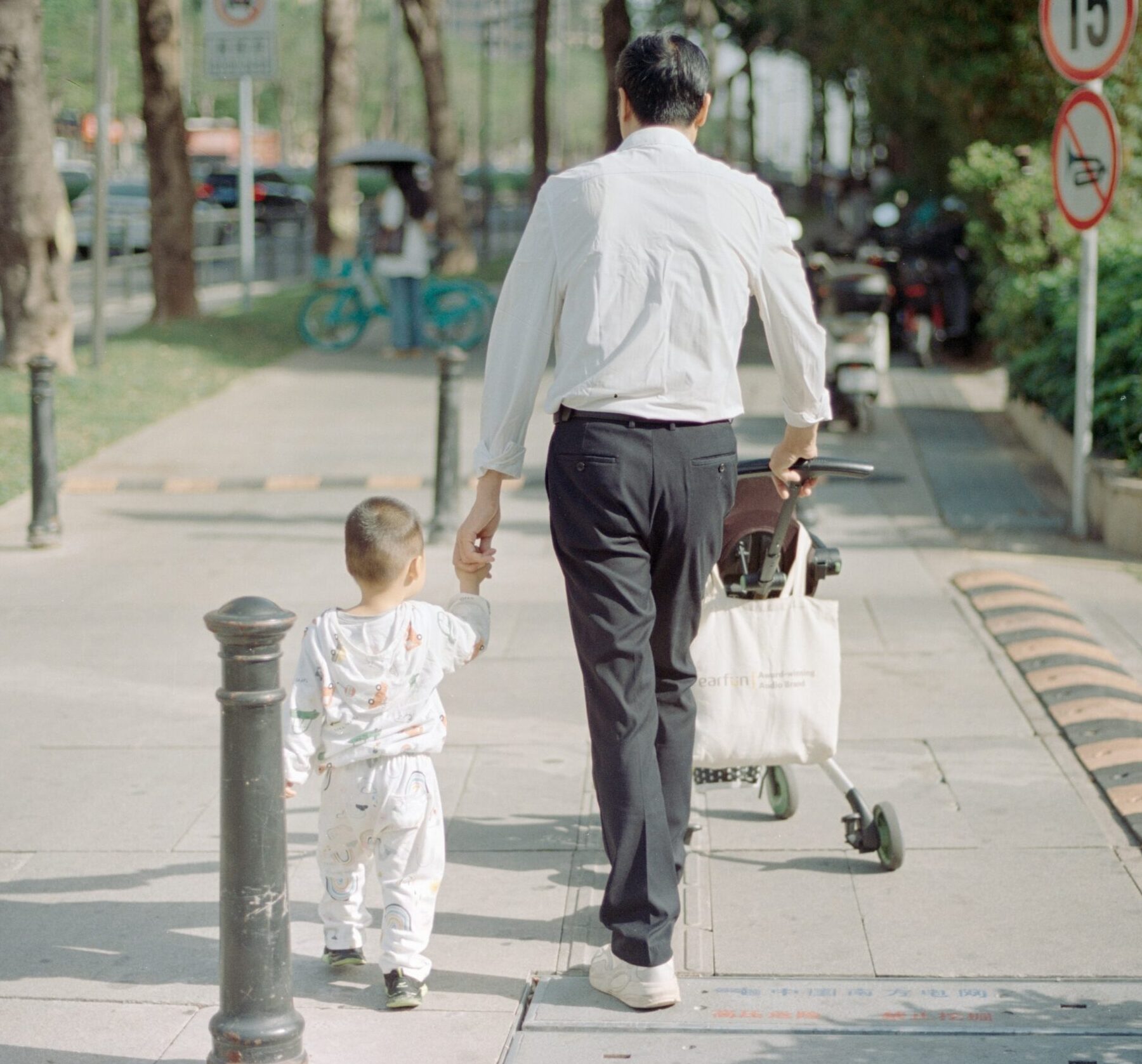

Four years after Russia’s full-scale invasion of Ukraine, three out of four adult Ukrainians living in Denmark wish to stay even if their hometown becomes safe again.
The full-scale Russian invasion of Ukraine in February 2022 has generated one of the largest shocks to a labor market in recent history. In spite of that, nearly four years later, the labor market has proven resilient.
Refugees often have lower employment rates than natives and other migrants. One important reason may be exposure to severe trauma, which can affect how people function in daily life and make it harder to find and keep a job.
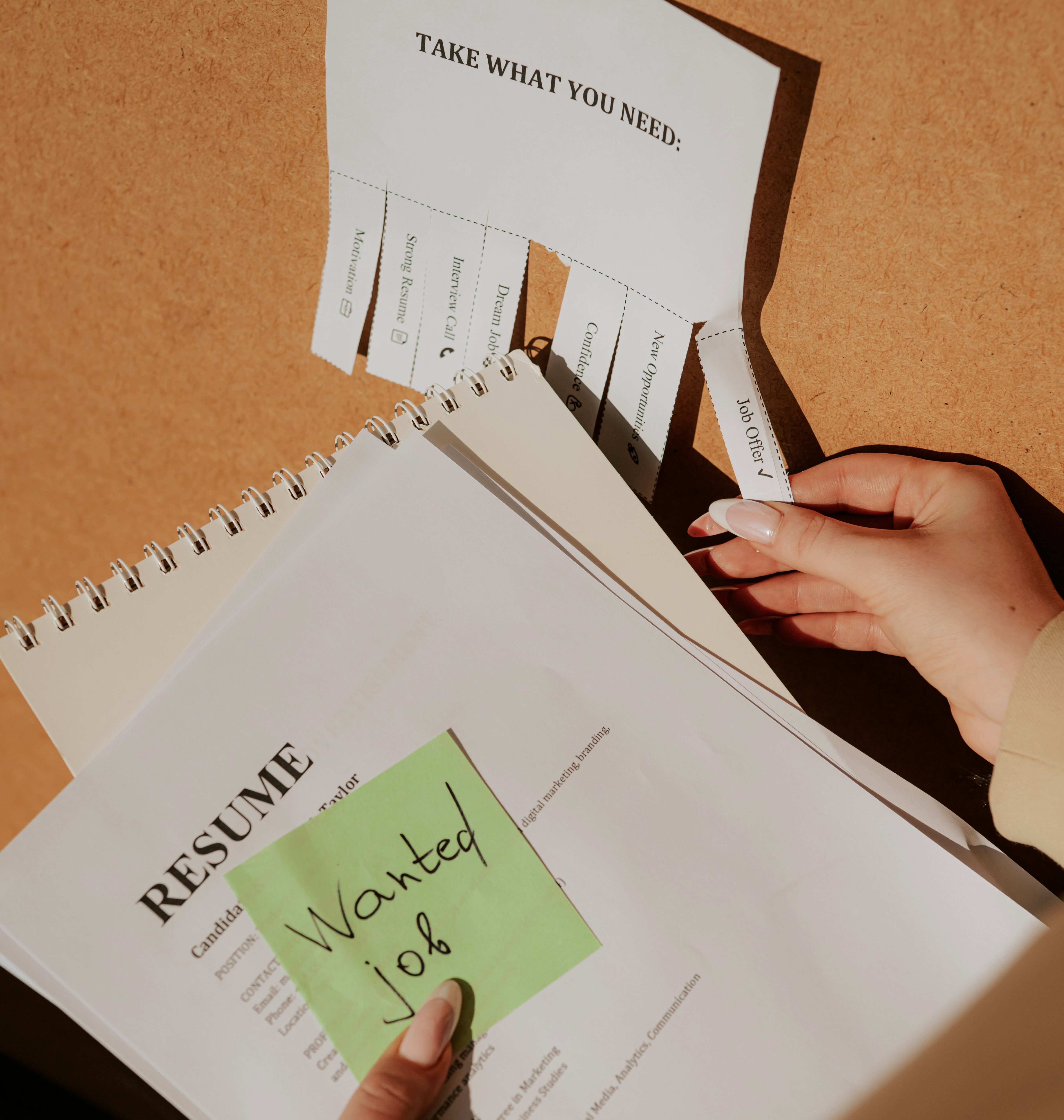
As populations age, keeping people in work later in life has become an economic necessity. Yet many older job seekers still face substantial barriers to reemployment.
Using data that connect U.S. businesses to foreign financial networks, the researchers reveal how tougher anti–laundering measures abroad reshaped the flow of illicit funds at home.
In Italy, national agreements between unions and employers set wages and conditions. New evidence reveals how firms opting out of this system reshape pay, job stability, and survival.